
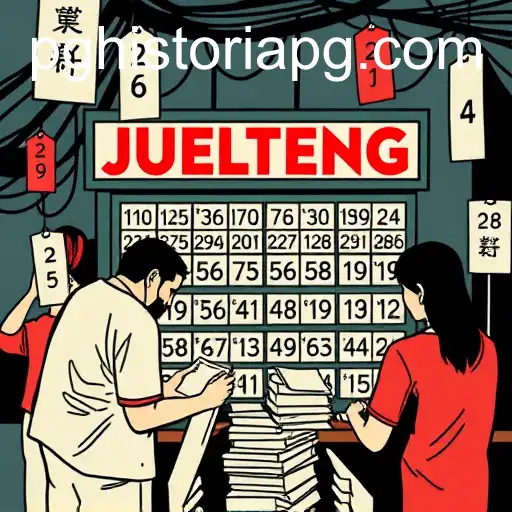
HISTORIAPG | The Struggle with Jueteng: A Deep-Rooted Issue in Philippine Society
HISTORIAPG’s Explore the historical and cultural significance of jueteng, delving into its socio-economic impact and the challenges of eradication in the Philippines.
Understanding the Complex World of Jueteng in the Philippines
The illegal numbers game known as jueteng is deeply entrenched in the social and political fabric of the Philippines. Its influence and operation extend beyond the mere act of gambling, touching on issues of economics, politics, and culture. This article delves into the intricate world of jueteng, exploring its origins, its impact on society, and the challenges in eradicating it.
Origins of Jueteng
Jueteng has a long history in the Philippines, believed to have been introduced during the Spanish colonization. The word "jueteng" is derived from the Chinese characters "hua," which means flower, and "teng," meaning bet. Initially played by Chinese-Filipino communities, it gradually spread and became popular among the wider population.
Unlike other forms of gambling, jueteng is simple and accessible. Players select a combination of numbers, usually two, and place their bets with a kubrador, or bet collector, who roams neighborhoods to collect wagers. This grassroots approach contributes to its widespread popularity, particularly among lower-income communities.
Jueteng's Socio-Economic Impact
Despite being illegal, jueteng persists due to its economic advantages for different stakeholders. For many Filipinos, it serves as a means of hope and potential upward mobility in a challenging economic environment. The allure of transforming a small bet into a significant amount of money is potent, especially where poverty rates are high.
At the community level, jueteng acts as an informal economic system. It generates employment for thousands — from bet collectors and administrators to those in managerial roles. The system is well-organized and mirrors formal economic operations, albeit outside the law.
Political Entanglements
Jueteng exerts significant influence in the political realm, with allegations of its funds being used to finance political campaigns. This intertwining of gambling and politics creates a delicate balance of power, where politicians may find themselves indebted to or in alliance with jueteng operators.
Many local and national officials have faced accusations of accepting jueteng money, leading to scandals and inquiries. These allegations underscore the difficulty of eradicating jueteng, as connections to corrupt practices often protect operators.
Challenges in Eradication
Efforts to eliminate jueteng have been ongoing for decades, yet success remains elusive. The reasons for this are multifaceted, involving societal acceptance, economic reliance, and political protection.
Various administrations have launched campaigns against jueteng, ranging from high-profile raids to the establishment of legitimate lottery systems like the Philippine Charity Sweepstakes Office (PCSO) lotteries. However, these initiatives have often fallen short because they do not address the root causes driving people towards illegal gambling.
The Cultural Fabric
Jueteng is ingrained in the cultural identity of communities where it operates. It brings with it a sense of excitement and communal participation. Moreover, the relationships formed between bet collectors and community members build a network of trust and shared experience.
In many ways, jueteng transcends its status as a mere game. It is woven into everyday life, marking significant events or simply providing an avenue for social interaction. This deep cultural embedding complicates efforts at eradication, as it is not merely about dismantling an illegal operation but also about reshaping social norms.
Moving Forward
Addressing the jueteng phenomenon requires a multifaceted approach involving economic, legal, and sociocultural strategies. Developing alternative economic opportunities would mitigate the financial reliance many have on jueteng revenues. Moreover, transparency and accountability in governance would reduce the protection offered by corrupt officials.
Ultimately, the approach to tackling jueteng must be holistic, acknowledging its deep roots in Filipino society. Only then can there be meaningful progress toward eradicating its negative impacts and preserving community integrity.
